Introduction
An Abu Simbel day trip from Aswan is one of the most memorable experiences you can add to your Egypt itinerary. Located in southern Egypt near the Sudanese border, Abu Simbel is famous for its enormous statues, remarkable rock-cut temples, and fascinating connection to Pharaoh Ramesses II.
Although the journey takes several hours by road, the temples are well worth the effort. Their impressive architecture and detailed wall carvings reveal the power, religious beliefs, and artistic achievements of ancient Egypt.
During your visit, you will discover two magnificent temples overlooking Lake Nasser. The Great Temple honors Ramesses II and several important Egyptian gods. Nearby, the Small Temple celebrates Queen Nefertari and the goddess Hathor.
This guide explains how to travel from Aswan to Abu Simbel, what to see, the best time to visit, and how to prepare for a comfortable day trip.
1. Where Is Abu Simbel Located?
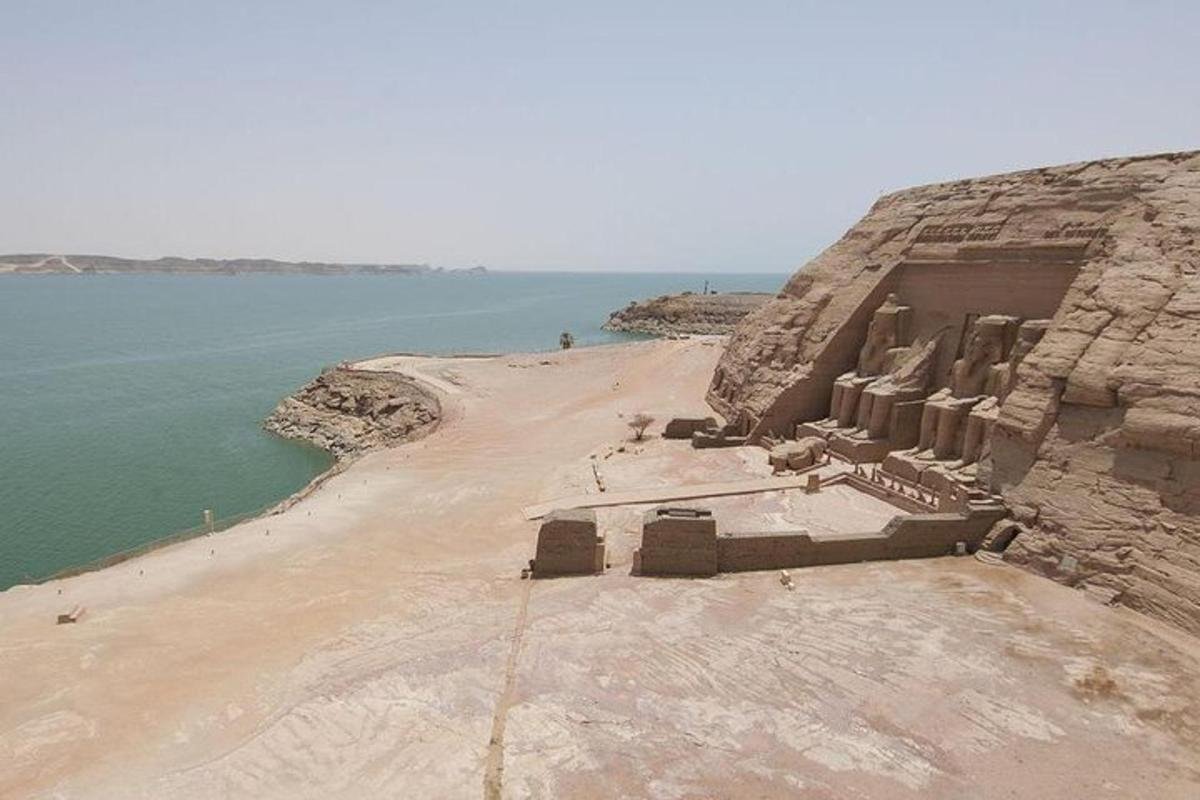
Abu Simbel is located in southern Egypt, approximately 280–300 kilometers south of Aswan, depending on the route and starting point. The archaeological site stands beside Lake Nasser, the vast reservoir created by the construction of the Aswan High Dam.
Because of its remote location, Abu Simbel requires more travel time than many other attractions in Aswan. However, the journey offers a chance to experience the dramatic desert landscapes of southern Egypt.
Most visitors choose a day trip from Aswan by private vehicle, shared tour bus, or domestic flight. Your best option depends on your budget, preferred travel style, and available time.
If you are exploring Upper Egypt, consider combining this excursion with other attractions in Aswan, such as Philae Temple, the High Dam, and the Unfinished Obelisk.
2. Why Is Abu Simbel Famous?
Abu Simbel is famous for its monumental rock-cut temples built during the reign of Ramesses II in the 13th century BC.
The complex is particularly remarkable because its architecture, statues, and religious decorations were carved directly into the rock. The Great Temple features four colossal seated statues of Ramesses II on its façade, creating one of the most recognizable views in Egypt.
The site is also known for its connection with the modern preservation of ancient monuments. When the Aswan High Dam threatened to flood the original location, Egypt and UNESCO led an international project to save the temples.
The monuments were carefully dismantled and reconstructed on higher ground. The relocation was completed in 1968, protecting these extraordinary structures for future generations.
Today, Abu Simbel forms part of the UNESCO World Heritage property known as the Nubian Monuments from Abu Simbel to Philae.
3. The Great Temple of Ramesses II
The Great Temple is the main attraction at Abu Simbel. Dedicated to Ramesses II and associated with the gods Amun-Ra, Ra-Horakhty, and Ptah, it demonstrates the pharaoh’s power and religious authority.
The Four Colossal Statues
The temple façade is dominated by four enormous seated statues of Ramesses II. Each figure measures approximately 20 meters high.
Look closely at the entrance to see the details of the royal figures and smaller statues representing members of the royal family. One of the colossal statues was damaged by an ancient earthquake, and its fallen fragments remain visible at the base.
These statues make the Great Temple one of the most impressive monuments in southern Egypt.
The Interior Halls
Inside the temple, large statues of the king line the main hall. The walls display scenes of religious ceremonies, royal achievements, and military campaigns.
As you move deeper into the monument, the passageways lead toward the sanctuary. Here, four seated figures represent Amun-Ra, Ra-Horakhty, Ptah, and the deified Ramesses II.
A guided visit can help you understand the meaning of these figures and the stories carved into the walls.
The Solar Alignment Phenomenon
One of Abu Simbel’s most famous features is the solar alignment that occurs twice each year, traditionally on 22 February and 22 October.
On these dates, sunlight travels through the temple and illuminates three of the four figures in the inner sanctuary. Ptah, who is associated with the underworld, remains in darkness.
The phenomenon demonstrates the remarkable astronomical and architectural knowledge of ancient Egyptian builders. If you hope to witness it, plan well in advance because these dates attract many visitors.
4. The Small Temple of Queen Nefertari
A short walk from the Great Temple brings you to the Small Temple, dedicated to the goddess Hathor and Queen Nefertari, the Great Royal Wife of Ramesses II.
The façade features six standing statues. Four depict Ramesses II, while two represent Nefertari. The queen’s statues are shown at a scale comparable to those of the king, which is an unusual and striking feature of ancient Egyptian royal architecture.
Inside, the temple contains decorated columns and reliefs associated with Hathor and the royal couple.
The Small Temple is especially interesting for visitors who want to learn more about Nefertari and the religious role of royal women. Its elegant decorations provide a contrast to the imposing appearance of the Great Temple.
Do not skip this monument during your visit. Although it is smaller, it adds an important dimension to the history of Abu Simbel.
5. How to Get from Aswan to Abu Simbel
There are several ways to reach Abu Simbel from Aswan. Each option has different advantages, so choose according to your schedule and travel preferences.
Option 1: Private Car or Private Tour
A private road trip is an excellent choice if you value flexibility and personal service.
The drive generally takes around three to four hours each way, depending on road conditions and arrangements. A typical excursion begins early in the morning and returns to Aswan later in the day.
A private tour may include hotel pickup, round-trip transportation, and assistance with organizing your visit. You can also ask whether a licensed Egyptologist guide and entrance tickets are included.
Best for: Couples, families, small groups, and travelers who prefer a personalized experience.
Option 2: Shared Bus or Group Tour
A shared excursion is often a practical choice for travelers who want to reduce transportation costs.
You travel with other visitors in a shared vehicle, following a planned departure and return schedule. Pickup arrangements, waiting times, and group sizes vary by operator.
Before booking, check whether the package includes hotel transfers, entrance tickets, a guide, and any meals or refreshments.
Best for: Budget-conscious travelers who are comfortable following a fixed itinerary.
Option 3: Domestic Flight
Flying can reduce the amount of time spent travelling by road. However, flight schedules, availability, airport transfers, and the total time required at the destination all affect how convenient this option will be.
Compare the complete journey rather than flight time alone. Check departure and return times carefully before arranging other activities in Aswan.
Best for: Travelers with limited time who prefer to minimize long road journeys.
Which Option Should You Choose?
If comfort and flexibility are your priorities, consider a private Abu Simbel day trip. If you want to keep costs down, a shared tour may be more suitable.
Flying is worth considering when a convenient schedule is available. Regardless of your choice, confirm the total duration, inclusions, pickup arrangements, and return time before booking.
6. What Does an Abu Simbel Day Trip Itinerary Look Like?
A typical road excursion follows an early start to make the most of the day.
Early morning: Pickup in Aswan
Your driver collects you from your hotel or another agreed meeting point. The exact departure time depends on the tour operator and current travel arrangements.
Morning: Journey through the desert
Travel south toward Abu Simbel. Bring water and consider a light breakfast because the road journey takes several hours.
Morning or midday: Visit the Great Temple
Explore the monumental façade, interior halls, royal statues, and decorated walls. A guide can explain the connection between Ramesses II, the gods, and the temple’s design.
Late morning or midday: Visit the Small Temple
Continue to the temple dedicated to Nefertari and Hathor. Take time to appreciate the statues, columns, and detailed reliefs.
After sightseeing: Return to Aswan
Meet your driver at the agreed time and travel back to Aswan. Depending on your departure time and road conditions, you will usually return later in the afternoon or evening.
This is an example itinerary rather than a fixed schedule. Actual timings can change according to transportation arrangements, site conditions, and the tour package you select.
7. Best Time to Visit Abu Simbel
The cooler months, particularly October through April, are generally comfortable for visiting Abu Simbel. Temperatures can become very high during the summer, so preparation is especially important from June through September.
Visit Early in the Day
An early arrival can help you avoid the strongest midday heat. It may also offer attractive light for photographing the temple façades.
Because most road excursions require an early departure from Aswan, prepare everything the night before. This includes your booking confirmation, water, sun protection, and any required identification.
Experience the Abu Simbel Sun Festival
The solar alignment traditionally occurs on 22 February and 22 October. During the phenomenon, sunlight reaches the sanctuary of the Great Temple and illuminates three of the four seated figures.
These dates can be especially popular, so arrange transport and accommodation well in advance if you plan to attend.
Keep in mind that the exact experience depends on access arrangements and conditions on the day. Check official announcements before making special travel plans.
8. How Long Do You Need at Abu Simbel?
Most visitors spend approximately two to three hours exploring the archaeological site, although history enthusiasts and photographers may prefer additional time.
This gives you an opportunity to visit both temples, examine their reliefs, take photographs where permitted, and learn about their history.
Remember to include the journey when planning your day. A road excursion from Aswan typically takes around six to eight hours in total for the round trip, plus the time spent at the site and any stops.
If you have limited time in Aswan, avoid scheduling several other major activities immediately after your return. A flexible afternoon or evening will make the day more comfortable.
9. What Should You Bring?
Preparing for the desert climate will make your visit easier.
- Water: Carry enough drinking water for the journey and sightseeing.
- Comfortable shoes: Choose footwear suitable for walking around the archaeological site.
- Sun protection: Bring sunscreen, sunglasses, and a hat.
- Light clothing: Breathable fabrics are useful in warm weather.
- Camera or phone: The monumental façades offer excellent photographic opportunities. Follow the site’s current photography rules.
- Cash and payment options: Keep a suitable payment method available for purchases or expenses not covered by your tour.
- Booking details: Save your confirmation and pickup information before departure.
- Light snacks: These can be useful during the long drive, particularly if meals are not included.
Check the weather forecast before leaving Aswan. During the hotter months, avoid unnecessary exposure to direct sunlight and take breaks when needed.
10. Entrance Tickets and Opening Hours
Abu Simbel’s opening hours and entrance fees can change. Therefore, confirm the latest information before your trip through the Egyptian Ministry of Tourism and Antiquities.
Check whether your tour price includes admission to both temples or whether tickets must be purchased separately.
If you are travelling on a solar alignment date, verify any special arrangements, ticket prices, and access conditions in advance.
Photography rules may also differ between outdoor areas and temple interiors. Follow the instructions displayed at the site and ask staff if you are unsure.
11. Is an Abu Simbel Day Trip Worth It?
For most travelers interested in ancient Egyptian history, the answer is yes.
Abu Simbel combines monumental architecture, royal history, religious symbolism, and one of the most remarkable modern archaeological rescue projects. Seeing the colossal statues in person provides a different perspective from photographs or museum displays.
The main disadvantage is the long journey from Aswan. If you are sensitive to long drives, consider checking flight options or spending a night near Abu Simbel when suitable accommodation and schedules are available.
However, if your itinerary allows a full day, this excursion is an excellent way to discover one of Egypt’s most extraordinary monuments.
12. Useful Tips Before Booking Your Tour
A little planning can make your Abu Simbel day trip smoother.
Compare what is included. A lower price does not always represent the best value. Check transportation, entrance tickets, guiding services, and pickup arrangements.
Confirm your departure time. Ask the operator when pickup begins and approximately when you will return to Aswan.
Check the vehicle arrangements. For a private tour, confirm the vehicle type and whether it is suitable for your group size and luggage requirements.
Ask about the guide. Some packages include an Egyptologist guide, while others provide transportation only. Confirm the service before booking.
Keep your schedule flexible. Avoid arranging non-refundable activities too close to your expected return time.
Use a reputable operator. Look for clear inclusions, transparent cancellation terms, and written confirmation of the agreed itinerary.
For more ideas, explore our Aswan Tours and Excursions and Philae Temple, High Dam and Unfinished Obelisk Tour pages. Update these example internal links to match the URLs published on your website.
Frequently Asked Questions
Can you visit Abu Simbel on a day trip from Aswan?
Yes. Abu Simbel is commonly visited as a day trip from Aswan. Most road tours begin early and return later in the day.
How far is Abu Simbel from Aswan?
The temples are approximately 280–300 kilometers south of Aswan, depending on the route and starting point.
How long is the drive from Aswan to Abu Simbel?
The drive generally takes around three to four hours each way. Travel time can vary with road conditions and transport arrangements.
Which temples can I visit at Abu Simbel?
You can visit the Great Temple of Ramesses II and the Small Temple dedicated to Queen Nefertari and the goddess Hathor.
Is Abu Simbel a UNESCO World Heritage Site?
Yes. Abu Simbel is part of the Nubian Monuments from Abu Simbel to Philae, which were inscribed on the UNESCO World Heritage List in 1979.
What are the Abu Simbel Sun Festival dates?
The solar alignment traditionally occurs on 22 February and 22 October each year. Check official information before planning a visit around either date.
Is a private tour better than a group tour?
A private tour offers more flexibility and personalized arrangements. A group tour may cost less, but it usually follows a fixed schedule.
Can I visit Abu Simbel without a guide?
Independent visits may be possible, depending on current arrangements. However, a knowledgeable guide can explain the temple’s history, statues, inscriptions, and religious significance.
What should I wear to Abu Simbel?
Comfortable walking shoes, lightweight clothing, a hat, and sunglasses are practical choices. Carry water and sunscreen, especially in warm weather.
Final Thoughts
An Abu Simbel day trip from Aswan is an unforgettable journey into the history of ancient Egypt. The Great Temple of Ramesses II, the elegant Small Temple of Nefertari, and the extraordinary story of the temples’ relocation make this destination truly special.
With an early start, suitable transportation, and a little preparation, you can enjoy both temples without rushing through the experience.
Whether you choose a private car, a shared excursion, or a domestic flight, Abu Simbel deserves a place on your southern Egypt itinerary.