1. Discover the Traditional Villages of Luxor’s West Bank
The West Bank is home to more than ancient tombs and impressive temples. It also contains villages where daily life follows a rhythm shaped by agriculture, family traditions, and the Nile.
As you travel through the countryside, you may see green fields, date palms, irrigation canals, and farmers working their land. The contrast between these fertile landscapes and the surrounding desert is especially beautiful.
A guided village visit can introduce you to local customs and traditional ways of life. You may also learn about farming practices and the importance of the Nile to communities in Upper Egypt.
Remember to respect people’s privacy. Always ask permission before photographing residents or entering private property.
2. Explore the Tombs of the Nobles
Many visitors head straight to the Valley of the Kings. However, the Tombs of the Nobles offer another fascinating view of ancient Egyptian society.
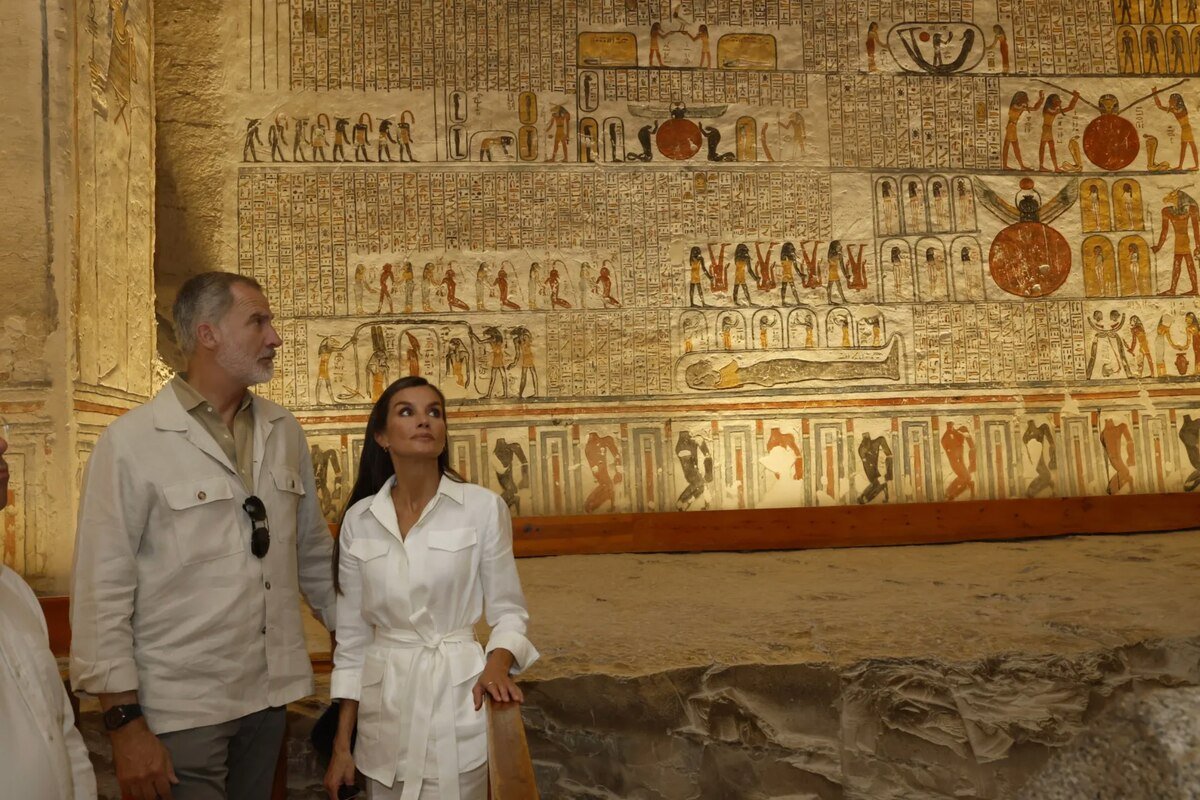
These tombs belonged to officials, governors, priests, and other important figures who served the pharaohs. Their wall paintings often show scenes from daily life, including farming, fishing, celebrations, and religious ceremonies.
Unlike royal tombs, which focus heavily on kings and their journey into the afterlife, these decorated tombs can reveal details about work, family, and social customs.
The exact tombs available to visit may vary. Check local ticket information before your trip, and consider hiring an Egyptologist to explain the scenes and inscriptions.
3. Visit Deir el-Medina, the Village of the Royal Tomb Builders
Deir el-Medina is one of Luxor’s most interesting archaeological sites. It was once home to the skilled workers who built and decorated royal tombs in the nearby Valley of the Kings and Valley of the Queens.
The remains of their houses reveal how these communities lived. Archaeologists have also discovered evidence of their family relationships, religious beliefs, and working conditions.
This site provides a more personal connection to ancient Egypt. Instead of focusing only on pharaohs, it tells the story of the people whose skills helped create the royal burial places.
Deir el-Medina is an excellent addition to a West Bank itinerary, especially for travelers interested in archaeology and everyday life in ancient Thebes.
4. Experience a Peaceful Felucca Ride on the Nile
The Nile is central to Luxor’s history, but it is also a wonderful place to slow down and enjoy the scenery.
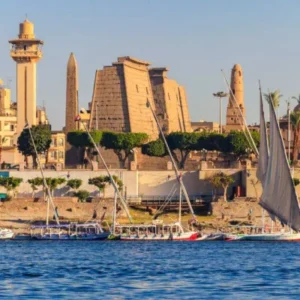
A traditional felucca ride offers a peaceful escape from busy streets and crowded archaeological sites. As the boat moves across the river, you can admire palm-lined banks, farmland, local boats, and views of the surrounding mountains.
Late afternoon is a popular time for this experience because the light becomes softer and the temperature often feels more comfortable.
Some travelers combine a felucca ride with a walk along the riverbank or a visit to a local café. It is a simple way to enjoy Luxor without following a packed sightseeing schedule.
5. Discover Local Food and Traditional Egyptian Flavors
Food is an important part of understanding a destination. In Luxor, traditional Egyptian dishes provide a taste of local life beyond the tourist attractions.
Look for dishes such as koshari, ful medames, taameya, molokhia, and freshly baked bread. Depending on the restaurant, you may also find grilled meats, rice dishes, seasonal vegetables, and traditional desserts.
For a more local experience, visit a restaurant recommended by a trusted resident or guide. You can ask about regional dishes and learn how they are prepared.
If you have dietary requirements, explain them clearly before ordering. Also, choose places with good food-handling practices and drink safe, treated water.
6. Explore Local Markets and Handcrafted Souvenirs
Markets in Luxor offer more than souvenirs. They provide a glimpse into local trade, traditional crafts, and everyday shopping habits.
You may find spices, scarves, handmade items, alabaster products, papyrus artwork, and small gifts to take home. Some workshops also demonstrate traditional stone carving or other crafts.
When buying handmade products, ask about the materials and how the item was made. If you want to visit an artisan workshop, arrange the visit with a reputable guide or contact the workshop in advance.
Polite bargaining may be part of shopping in some markets. However, always agree on the price before completing a purchase.
7. Enjoy Sunrise Views over the West Bank
Luxor’s landscapes can be especially beautiful early in the morning. As the sun rises, the desert hills begin to glow, and the fields along the Nile gradually come to life.
You do not need to visit a major monument to enjoy these views. Depending on access and your location, a quiet viewpoint or countryside road may offer a memorable start to the day.
A sunrise hot air balloon ride is another popular option for seeing Luxor from above. Flights usually depend on weather and aviation safety conditions, so confirmation is essential.
If you prefer to stay on the ground, ask your guide to recommend a suitable public viewpoint. Respect restricted archaeological areas and private land.
8. Discover the Art of Alabaster Making
Alabaster carving has long been associated with the Luxor area. Local workshops produce decorative bowls, statues, vases, and replicas inspired by ancient Egyptian art.
Visiting a workshop can help you understand the effort behind these objects. You may see artisans shaping and polishing stone, while a guide explains the materials and techniques.
Not every item sold as alabaster is made from the same material, so ask questions before purchasing. If authenticity matters to you, request clear information about the stone and its origin.
A responsible workshop visit can support local craftspeople while giving you a memorable cultural experience.
9. Explore the Ramesseum and Other Quieter Archaeological Sites
Some archaeological sites receive fewer visitors than Karnak Temple or the Valley of the Kings. The Ramesseum, the mortuary temple of Ramesses II, is one example.
Its remains include monumental statues, columns, and reliefs that reflect the power and ambitions of one of Egypt’s most famous pharaohs.
The site can offer a different atmosphere from Luxor’s busiest attractions. However, visitor numbers change throughout the day and season, so a quiet visit is never guaranteed.
You can also ask an Egyptologist about other accessible sites that match your interests. Opening arrangements and ticket requirements may change, so confirm them before travelling.
10. Spend Time in the Luxor Countryside
One of the simplest ways to discover Luxor’s hidden side is to spend time away from the main archaeological route.
The surrounding countryside includes fertile fields, palm groves, canals, and rural settlements. A guided walk or carefully planned cycling experience can help you appreciate how closely local life is connected to the Nile.
You may see farmers tending crops, children travelling home from school, or traditional homes surrounded by gardens. These everyday scenes provide a different understanding of modern Luxor.
Choose routes suitable for the weather and your fitness level. In hot months, start early, carry water, and avoid walking long distances during the midday heat.
11. Learn About the History of Ancient Thebes Beyond the Pharaohs
Luxor was once part of ancient Thebes, an important religious and political center. Its history includes much more than the lives of kings.
Priests, scribes, artisans, farmers, and families all contributed to the city’s development. Their stories survive through tomb paintings, inscriptions, houses, tools, and archaeological discoveries.
Visiting sites such as Deir el-Medina and the Tombs of the Nobles can help you see ancient Egypt from different perspectives.
A knowledgeable Egyptologist can connect these places and explain how religion, work, family, and the Nile shaped life in ancient Thebes.
12. Enjoy a Relaxed Evening by the Nile
After a day of exploring, take time to enjoy Luxor at a slower pace. Walk along accessible parts of the riverfront, watch boats pass by, or enjoy a meal overlooking the Nile.
The river creates a beautiful setting as daylight fades. You can often see the contrast between the green riverbanks and the desert landscape beyond them.
Choose a restaurant or café that suits your budget and preferences. If you plan to cross between the East and West Banks after dark, check transport arrangements in advance.
A relaxed evening can be the perfect end to a day filled with history and local discovery.
Best Time to Discover Hidden Gems in Luxor
The cooler months, from October to April, are generally comfortable for walking, visiting archaeological sites, and exploring the countryside.
Spring and autumn can be especially pleasant for combining cultural activities with time outdoors. Winter mornings and evenings may feel cool, so bring a light layer.
Summer can be extremely hot. If you visit between June and September, plan outdoor activities early in the morning, carry water, and take breaks in shaded areas.
Regardless of the season, check opening hours and local conditions before visiting archaeological sites or arranging outdoor experiences.
How to Explore Luxor Beyond the Famous Temples
You can discover Luxor’s hidden side in several ways, depending on your interests and available time.
For history lovers: Combine Deir el-Medina with the Tombs of the Nobles and the Ramesseum.
For cultural travelers: Visit a local market, explore an artisan workshop, and try traditional Egyptian food.
For nature lovers: Enjoy a felucca ride, watch the sunrise, or arrange a guided walk through the countryside.
For a more complete experience: Combine two or three activities with a major archaeological site, while leaving enough time to enjoy each place without rushing.
A private guide can help organize transport and explain the connections between sites. Before booking, check entrance fees, travel times, and which activities are included.
Responsible Travel Tips for Luxor
A meaningful visit should benefit local communities and protect the places you come to see.
- Ask permission before photographing people, homes, or workshops.
- Buy directly from local artisans when possible.
- Follow site rules and never touch ancient wall paintings or carvings.
- Avoid leaving rubbish in villages, fields, or archaeological areas.
- Dress respectfully when visiting local neighborhoods and religious places.
- Use a licensed or reputable guide for visits that require local knowledge.
- Confirm opening hours, tickets, and transport before setting out.
These simple choices help protect Luxor’s heritage while supporting responsible tourism.
Frequently Asked Questions
What are the hidden gems in Luxor?
Some worthwhile places beyond the main tourist route include Deir el-Medina, the Tombs of the Nobles, the Ramesseum, local artisan workshops, and the countryside around the Nile. A felucca ride and traditional food experiences also offer a different perspective on the city.
Is Luxor worth visiting beyond the famous temples?
Yes. Luxor offers local markets, traditional crafts, river experiences, rural landscapes, and archaeological sites that reveal more about everyday life in ancient and modern Egypt.
Can I explore Luxor’s hidden places in one day?
You can explore several places in one day, but it is best to choose a small number of sites. For example, combine Deir el-Medina with the Tombs of the Nobles, or visit an artisan workshop after a morning of sightseeing.
Do I need a guide to discover the hidden side of Luxor?
A guide is not essential for every activity. However, an experienced Egyptologist or local guide can explain archaeological details, help with transport, and introduce you to cultural experiences respectfully.
What should I wear when exploring Luxor?
Wear comfortable, breathable clothing and walking shoes. Bring sun protection and water. Modest clothing is a good choice for village visits and religious places.
Is Luxor suitable for travelers interested in local culture?
Yes. Visitors can explore local markets, learn about traditional crafts, try Egyptian food, and see how agriculture and the Nile continue to shape life in the region.
Final Thoughts
Luxor is much more than a collection of famous temples and royal tombs. Its villages, craftspeople, river landscapes, and lesser-known archaeological sites reveal a richer picture of ancient and modern Egyptian life.
By taking time to explore beyond the main attractions, you can discover a quieter and more personal side of the city. Whether you visit the Tombs of the Nobles, watch artisans at work, or enjoy a peaceful felucca ride, these experiences can make your journey through Luxor even more memorable.