Top 10 Things to Do in Luxor, Egypt
Luxor is one of the best places to discover ancient Egypt. The city stands on the site of ancient Thebes and is famous for its temples, royal tombs, and rich history.
The Nile divides Luxor into two main areas: the East Bank and the West Bank. The East Bank features famous temples, while the West Bank is home to royal tombs and ancient burial sites.
However, Luxor offers more than historical monuments. You can enjoy a sunrise hot air balloon ride, sail along the Nile, explore local markets, and discover traditional Egyptian culture.
If you are planning a visit, here are the top 10 things to do in Luxor, Egypt, to help you make the most of your trip.
1. Explore Karnak Temple
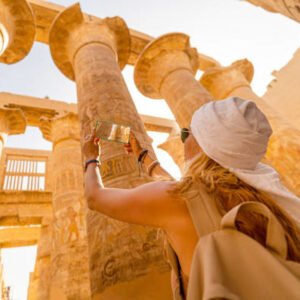
Karnak Temple is one of the most impressive historical sites in Luxor. This vast temple complex grew over many centuries and contains huge columns, stone statues, obelisks, and detailed wall carvings.
The Great Hypostyle Hall is one of its main highlights. Its towering columns feature ancient inscriptions and scenes that reveal stories about Egyptian gods and pharaohs.
As you explore the complex, you can learn about the religious beliefs and building skills of ancient Egyptians.
Travel tip: Visit early in the morning to enjoy cooler weather and explore the temple at a comfortable pace.
2. Visit Luxor Temple
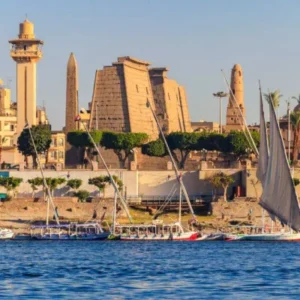
Luxor Temple stands in the heart of the modern city. Ancient Egyptians used it for important religious ceremonies and celebrations.
Inside, you can see large statues, impressive columns, and walls covered with historical scenes. The temple also has a strong connection to the ancient Opet Festival.
Moreover, Luxor Temple is especially beautiful after sunset. Its illuminated monuments create a memorable setting for an evening walk.
You can also combine this visit with a walk along the nearby Nile Corniche.
3. Discover the Valley of the Kings
The Valley of the Kings is one of the most famous attractions on Luxor’s West Bank. It served as a burial place for many pharaohs of the New Kingdom.
The valley contains royal tombs decorated with colorful paintings, hieroglyphs, and religious texts. These decorations reflect ancient Egyptian beliefs about death and the afterlife.
The tomb of Tutankhamun is among the best-known examples. Other tombs also contain remarkable artwork and historical details.
A visit to the valley offers a closer look at royal burial traditions and ancient Egyptian art.
Travel tip: Check which tombs are open before your visit. Some tombs require separate tickets.
4. Admire Hatshepsut Temple
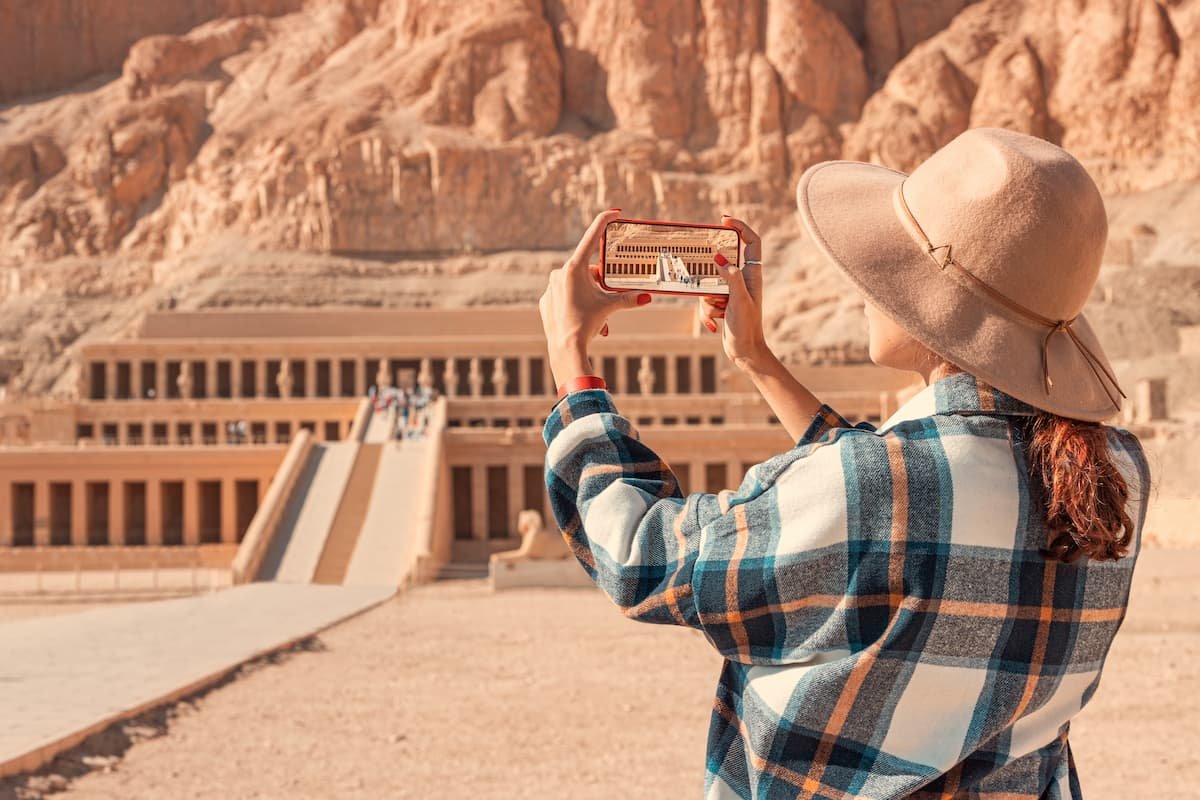
The Temple of Hatshepsut is one of Luxor’s most distinctive monuments. It stands at Deir el-Bahari, beneath dramatic limestone cliffs on the West Bank.
Queen Hatshepsut built this impressive temple during her reign. Its terraces, columns, and carved reliefs reflect the importance of her rule.
The temple also tells stories about trade, religion, and royal ceremonies. As you walk through its different levels, you can enjoy impressive views of the surrounding landscape.
Therefore, Hatshepsut Temple is an essential stop for anyone interested in ancient Egyptian history.
5. See the Colossi of Memnon
The Colossi of Memnon are two enormous stone statues on Luxor’s West Bank. They represent Pharaoh Amenhotep III and once stood near the entrance to his large mortuary temple.
Although much of the original temple has disappeared, the statues remain an important landmark.
Their size and age make them a fascinating stop on a West Bank tour. You can also take photographs while learning about the history of the surrounding area.
Because the statues are close to other West Bank attractions, they are easy to include in a full-day sightseeing trip.
6. Take a Sunrise Hot Air Balloon Ride
A sunrise hot air balloon ride is one of the most memorable experiences in Luxor. The flight offers panoramic views of the Nile Valley, green farmland, desert hills, and ancient monuments.
As the sun rises, the landscape changes color. From above, you can see how the Nile connects the modern city with the ancient sites on both banks.
This experience is also popular with couples, photographers, and adventure travelers.
However, flights depend on weather and aviation safety conditions. Book with a reputable operator and follow all safety instructions.
Travel tip: Balloon trips usually begin very early, so prepare for an early pickup from your hotel.
7. Enjoy a Nile Felucca Ride
The Nile is an important part of Luxor’s landscape and history. A traditional felucca ride offers a peaceful way to enjoy the river.
These wooden sailing boats move across the water using the wind. During the trip, you can admire palm trees, river islands, farmland, and views of the city.
A sunset felucca ride is especially relaxing after a busy day of sightseeing.
You can also ask about a private sailing trip if you prefer a quieter experience.
8. Visit the Luxor Museum
The Luxor Museum is an excellent choice for travelers who want to learn more about ancient Egyptian art and history.
Its collection includes statues, archaeological objects, and items connected to the history of Thebes. The displays help explain the people and events behind Luxor’s famous monuments.
Unlike a large outdoor archaeological site, the museum offers an indoor setting where you can explore exhibits at your own pace.
It is also a useful addition to your itinerary if you have extra time in the city.
9. Explore the Avenue of Sphinxes
The Avenue of Sphinxes connects Karnak Temple with Luxor Temple. This historic route once played an important role in religious celebrations.
Along the avenue, rows of sphinx statues create a remarkable view of ancient Thebes. Walking through this area also helps you understand the connection between the two major temple complexes.
The route is especially interesting for visitors who enjoy ancient architecture and photography.
For a more complete experience, visit Karnak and Luxor temples as part of the same sightseeing plan.
10. Discover Dendera and Abydos Temples
If you have extra time in Luxor, consider a day trip to Dendera and Abydos. These ancient temple sites offer a different view of Egyptian history.
Dendera Temple is famous for its detailed carvings, decorated ceilings, and connection to the goddess Hathor. The temple’s artistic details make it a favorite stop for many history lovers.
Abydos is another important archaeological site. Its Temple of Seti I is known for its carved reliefs and historical inscriptions.
Both destinations require additional travel outside Luxor. However, they are excellent choices for travelers who want to explore more of Egypt’s ancient heritage.
Best Time to Visit Luxor
The cooler months, from October to April, are generally comfortable for exploring Luxor’s outdoor attractions. During this period, visitors can enjoy temple tours and archaeological sites with less intense heat.
Summer can be very hot, especially around midday. Therefore, plan outdoor visits for early morning or later in the afternoon whenever possible.
Remember to bring water, sunscreen, a hat, and comfortable walking shoes.
How Many Days Do You Need in Luxor?
Two full days are a good starting point for exploring Luxor’s main attractions.
On the first day, visit Karnak Temple and Luxor Temple on the East Bank. You can also explore the Luxor Museum if time allows.
On the second day, discover the West Bank, including the Valley of the Kings, Hatshepsut Temple, and the Colossi of Memnon. If your schedule permits, add a sunrise balloon ride or a sunset felucca trip.
Travelers with three or more days can explore additional tombs, visit Dendera and Abydos, or enjoy a more relaxed sightseeing schedule.
How to Get Around Luxor
You can explore Luxor by private car, taxi, guided tour, or other local transport options. The best choice depends on your budget and itinerary.
A private guided tour can make it easier to visit several sites in one day. It also gives you more time to learn about the history of each monument.
Because the attractions are spread across both banks of the Nile, plan your route before setting out.
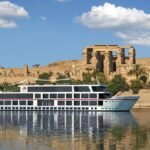
You can also combine Luxor with a Nile cruise between Luxor and Aswan for a wider view of Upper Egypt.
Why Visit Luxor, Egypt?
Luxor offers a remarkable mix of history, culture, and natural beauty. You can walk through ancient temples, explore royal tombs, sail on the Nile, and watch the sunrise over the West Bank.
Each experience reveals another part of ancient Egyptian civilization. At the same time, the city’s local markets, riverside cafés, and everyday life give you a glimpse of modern Egypt.
Whether you are visiting for one day or several nights, Luxor deserves a place on your Egypt itinerary.
Plan your trip carefully, choose the experiences that interest you most, and allow enough time to enjoy this historic destination.
Frequently Asked Questions
What are the top things to do in Luxor, Egypt?
The main attractions include Karnak Temple, Luxor Temple, the Valley of the Kings, Hatshepsut Temple, and the Colossi of Memnon. You can also enjoy a hot air balloon ride, a Nile felucca trip, and a visit to the Luxor Museum.
Is one day enough to visit Luxor?
One day is enough to see several major attractions with careful planning. However, two full days allow you to explore both the East Bank and West Bank more comfortably.
Is Luxor worth visiting?
Yes. Luxor offers some of Egypt’s most famous temples and royal tombs. It also provides opportunities to enjoy the Nile and learn about ancient Egyptian culture.
What is the best time to visit Luxor?
October to April is generally a comfortable period for sightseeing. During the hotter months, early morning visits can help you avoid the strongest midday heat.
Can I take a hot air balloon ride in Luxor?
Yes. Sunrise balloon rides are available through local operators, subject to weather and safety conditions. Book with a reputable provider and confirm the pickup details before your flight.
Can I visit Luxor and Aswan on the same trip?
Yes. Many travelers combine Luxor and Aswan by train, road transfer, or Nile cruise. A cruise is a popular way to explore temples and other historical sites along the river.