Valley of the Kings: Tombs, Pharaohs, and Travel Tips
The Valley of the Kings is one of the most famous archaeological sites in Egypt. Located on the West Bank of the Nile in Luxor, it served as a royal burial ground for many pharaohs of the New Kingdom.
Behind its rocky hills lie tombs filled with ancient paintings, religious texts, and stories about the afterlife. These underground chambers offer a closer look at the beliefs and traditions of Egypt’s rulers.
Today, visitors can explore selected tombs and admire their colorful wall decorations. With a little planning, you can enjoy this historic site as part of a memorable trip to Luxor.
Where Is the Valley of the Kings?
The Valley of the Kings lies on Luxor’s West Bank, across the Nile from the modern city center. It forms part of the ancient Theban landscape, which contains many important temples and burial sites.
The area is surrounded by dry hills and desert cliffs. Ancient Egyptians chose this location for its remote setting and its connection to royal burial traditions.
The valley is also close to other famous attractions. You can combine your visit with Hatshepsut Temple and the Colossi of Memnon on the same West Bank tour.
Why Was the Valley of the Kings Built?
During the New Kingdom, many Egyptian pharaohs chose the valley as their burial place. This period included the 18th, 19th, and 20th Dynasties.
Earlier kings often built large pyramids as tombs. Later pharaohs used hidden rock-cut tombs instead.
These tombs helped protect royal burials from theft. However, many were robbed in ancient times.
The walls also served an important purpose. They displayed religious texts, images of gods, and scenes related to the pharaoh’s journey into the afterlife.
Discover the Famous Tombs of the Valley of the Kings
The valley contains more than 60 known tombs, although the number open to visitors can change. Each tomb has its own design, history, and decoration.
Here are some of the most famous tombs associated with the site.
Tomb of Tutankhamun
Tutankhamun is one of the best-known pharaohs of ancient Egypt. His tomb was discovered in 1922 by Howard Carter and his team.
The discovery attracted worldwide attention because the tomb contained a large collection of burial objects. These included furniture, jewelry, ceremonial items, and the famous royal burial equipment.
Tutankhamun’s tomb is relatively small compared with some other royal tombs. However, it remains a major attraction because of its history and the story of its discovery.
An additional ticket is generally required to enter the tomb. Check the current ticket arrangements before your visit.
Tomb of Ramesses VI
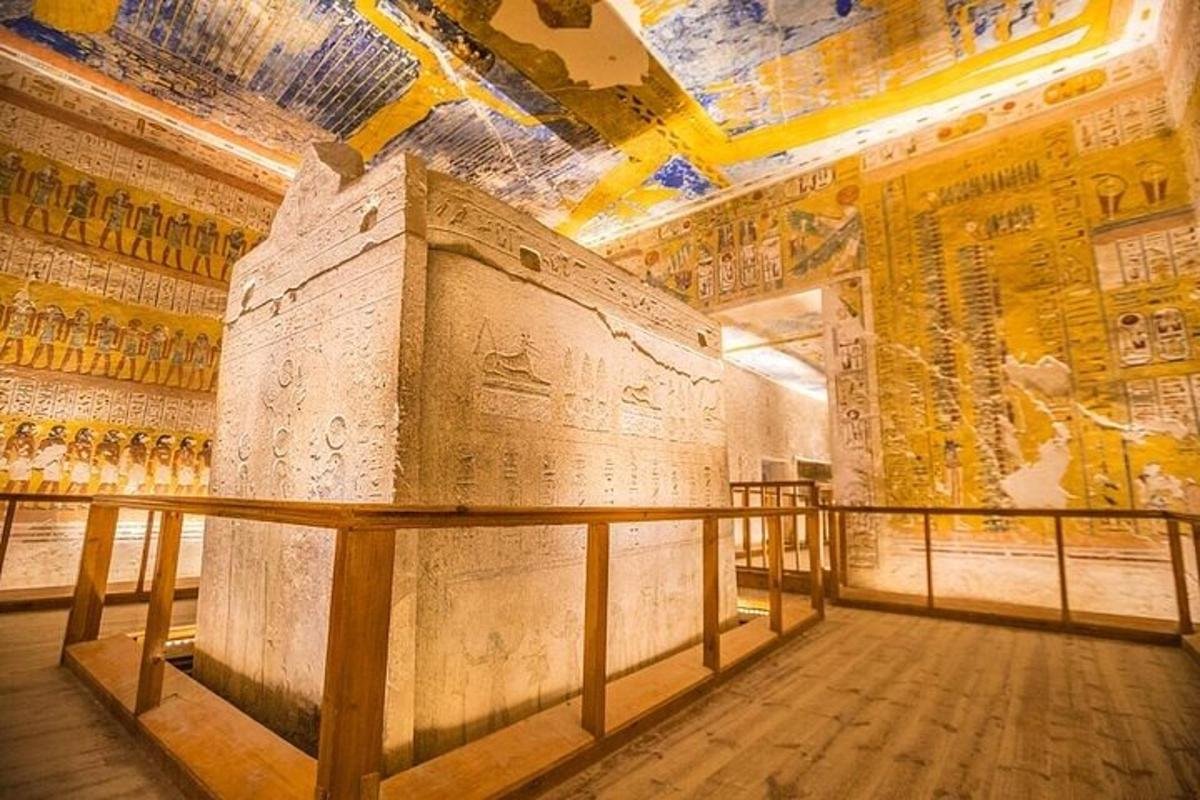
The tomb of Ramesses VI is known for its detailed wall paintings and decorated ceilings. Its long corridors display religious scenes and texts linked to ancient Egyptian beliefs.
The ceiling is especially impressive, with astronomical designs and images connected to the journey of the sun god.
For visitors interested in ancient art, this tomb can be a highlight of the valley.
Tomb of Seti I
The tomb of Seti I is famous for its size, detailed decoration, and historical importance. Its corridors and chambers contain scenes from ancient religious texts.
The artwork provides insight into royal burial customs and beliefs about the afterlife.
Access to this tomb may require a special ticket and can be subject to current site rules. Check availability before planning your visit.
Tomb of Merenptah
Merenptah was a pharaoh of the 19th Dynasty and the son of Ramesses II. His tomb contains long corridors and chambers decorated with religious texts and images.
The tomb offers another example of how Egyptian builders designed royal burial places to guide the pharaoh into the afterlife.
Because tomb access changes, ask about current opening arrangements when buying your tickets.
What Can You See Inside the Tombs?
The tombs of the Valley of the Kings are more than burial chambers. Their decorations reveal important details about ancient Egyptian religion, art, and royal life.
During your visit, you may see:
- Colorful wall paintings showing gods and religious scenes.
- Hieroglyphic inscriptions and sacred texts.
- Images linked to the journey into the afterlife.
- Carved chambers and long underground corridors.
- Decorative ceilings featuring stars and astronomical symbols.
Many paintings still display impressive colors. They also show the skill of the artists who worked thousands of years ago.
Photography rules can vary between tombs. Always check the current regulations and follow the instructions of site staff.
Best Time to Visit the Valley of the Kings
The cooler months, from October to April, are generally comfortable for visiting Luxor’s outdoor attractions. However, the valley can become warm even during the cooler season.
Arriving early in the morning is a good idea. You can explore the tombs before the strongest midday heat and may encounter fewer visitors.
Summer visits are also possible, but temperatures can be very high. Bring water, wear suitable clothing, and take breaks when needed.
How Much Time Do You Need?
Most visitors should allow around two to three hours for the Valley of the Kings. The time you need depends on how many tombs you enter and how much you want to learn about their history.
If you are interested in archaeology, you may want to spend longer exploring the site.
You should also allow time for transport, ticket checks, and walking between the visitor facilities and the tombs.
If you plan to visit Hatshepsut Temple and the Colossi of Memnon on the same day, consider booking a full-day West Bank tour.
Valley of the Kings Tickets and Entrance Fees
Ticket prices and entry rules can change. Costs may depend on the tombs you choose, special access options, and current visitor policies.
Before your visit, confirm:
- The general entrance ticket price.
- Which tombs are open to visitors.
- Whether famous tombs require separate tickets.
- Whether photography requires an extra fee or permission.
- Whether guided tours and transport are included in your package.
A licensed Egyptologist guide can help explain the tomb decorations and the stories behind the pharaohs. However, guide services may not be included in the basic entrance ticket.
For the latest official information, check Egypt’s official tourism resources or confirm the details with your tour provider before departure.
What Should You Wear and Bring?
The Valley of the Kings includes outdoor walking and visits to underground tombs. Comfortable clothing can make the experience easier.
We recommend bringing:
- Comfortable walking shoes.
- Lightweight, breathable clothing.
- A hat and sunscreen for outdoor areas.
- Drinking water.
- A camera or phone, subject to photography rules.
- Cash or a payment method accepted at the site.
Some tombs have stairs and uneven surfaces. Take care when entering and leaving the chambers.
Also, follow all site rules. Do not touch the ancient wall paintings or carved surfaces.
Can You Visit the Valley of the Kings Without a Guide?
Yes, you can explore the site independently if you arrange your own transport and tickets.
However, a guide can make the visit more informative. Many tombs contain complex religious scenes and inscriptions that are difficult to understand without background knowledge.
An Egyptologist can explain the meaning of the artwork, introduce the pharaohs, and help you understand why the tombs were built.
For first-time visitors, a guided West Bank tour is often a convenient option.
Combine the Valley of the Kings With Other Luxor Attractions
The Valley of the Kings is close to several important historical sites. Therefore, it is easy to include it in a wider Luxor itinerary.
Hatshepsut Temple: Visit the impressive terraced temple beneath the cliffs of Deir el-Bahari.
Colossi of Memnon: Stop to see the two huge statues of Pharaoh Amenhotep III.
Valley of the Queens: Discover another royal burial area associated with queens, princes, and other members of royal families.
Karnak Temple: Explore one of Egypt’s largest temple complexes on the East Bank.
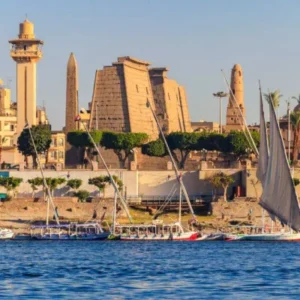
Luxor Temple: Visit a famous temple connected to ancient religious ceremonies.
You can explore the West Bank in one day and visit the East Bank on another. This approach gives you more time to enjoy each location.
Important Travel Tips for Your Visit
A little preparation can help you enjoy the Valley of the Kings without rushing.
Arrive early. Morning visits can be more comfortable, especially during warmer months.
Choose your tombs carefully. Check which tombs are open and whether special tickets are needed.
Follow photography rules. Restrictions can differ between tombs and may change over time.
Stay hydrated. Bring water and protect yourself from the sun.
Respect the monuments. Never touch wall paintings or remove anything from the site.
Plan your transport. Arrange a taxi, private transfer, or guided tour in advance if needed.
These simple steps can help you make the most of your visit.
Why Visit the Valley of the Kings?
The Valley of the Kings offers a rare opportunity to explore the burial places of ancient Egypt’s rulers. Its hidden chambers, colorful paintings, and historic inscriptions bring ancient beliefs to life.
Each tomb tells a different story. Together, they reveal how pharaohs prepared for the afterlife and how Egyptian artists decorated royal burial places.
Whether you are passionate about history or visiting Egypt for the first time, the valley is an essential stop in Luxor.
Add it to your itinerary and discover one of the most remarkable sites of ancient Thebes.
Frequently Asked Questions
What is the Valley of the Kings famous for?
The Valley of the Kings is famous for its royal tombs, including the tomb of Tutankhamun. Its underground chambers contain ancient paintings, inscriptions, and religious scenes.
How many tombs are in the Valley of the Kings?
More than 60 tombs have been identified in the valley. However, the number open to visitors can change.
Can I visit Tutankhamun’s tomb?
Yes, visitors can usually enter Tutankhamun’s tomb with an additional ticket. Confirm the current access rules and ticket price before visiting.
How long should I spend at the Valley of the Kings?
Around two to three hours is a useful starting point. You may need more time if you want to visit several tombs or explore the site in detail.
What is the best time to visit?
Early morning is often a good choice because temperatures are usually more comfortable. October to April is generally a popular period for sightseeing in Luxor.
Can I visit the Valley of the Kings and Hatshepsut Temple on the same day?
Yes. Both attractions are on Luxor’s West Bank and are commonly included in the same sightseeing tour.
Is a guide necessary at the Valley of the Kings?
A guide is not always required, but a knowledgeable Egyptologist can explain the history, artwork, and religious meaning of the tombs.